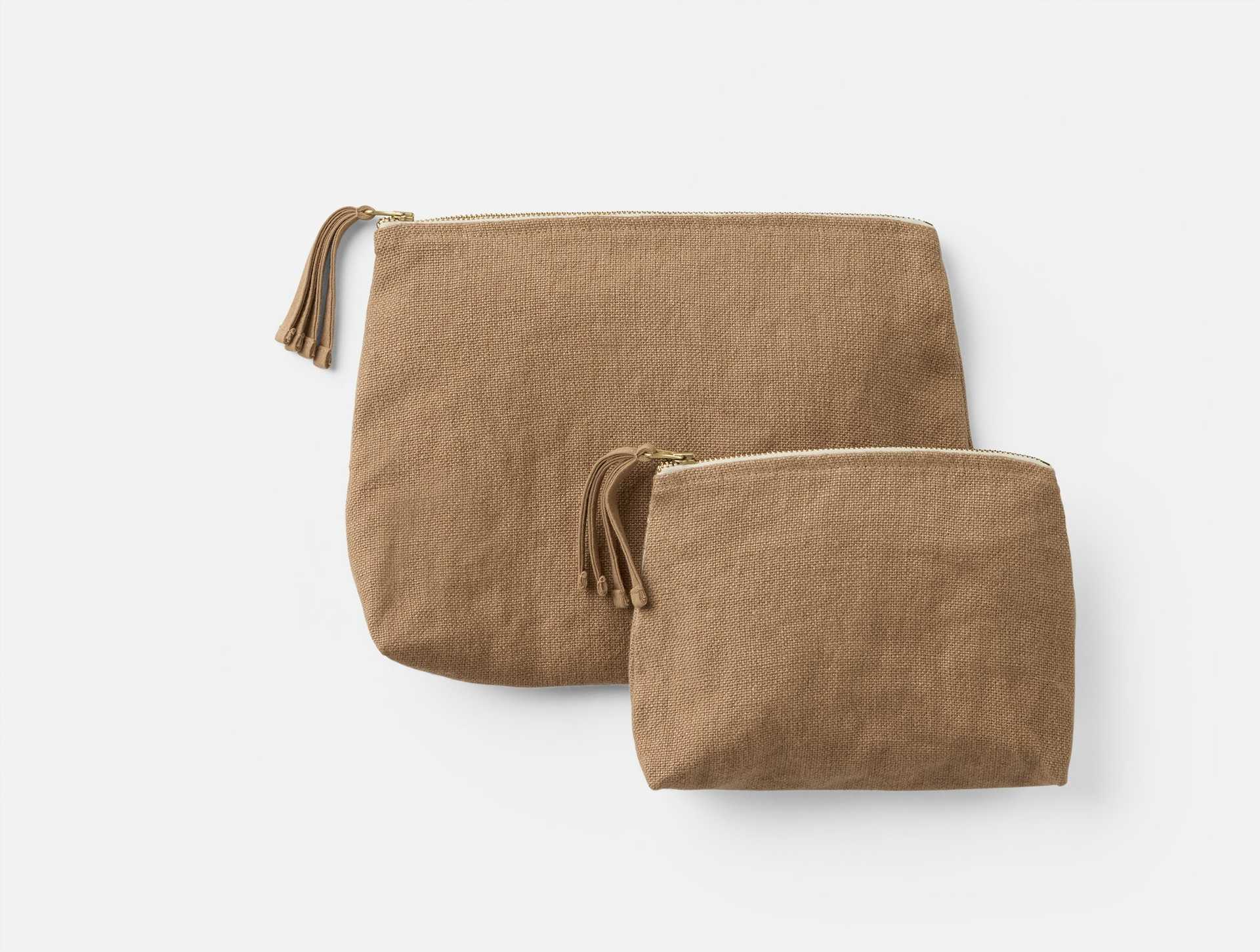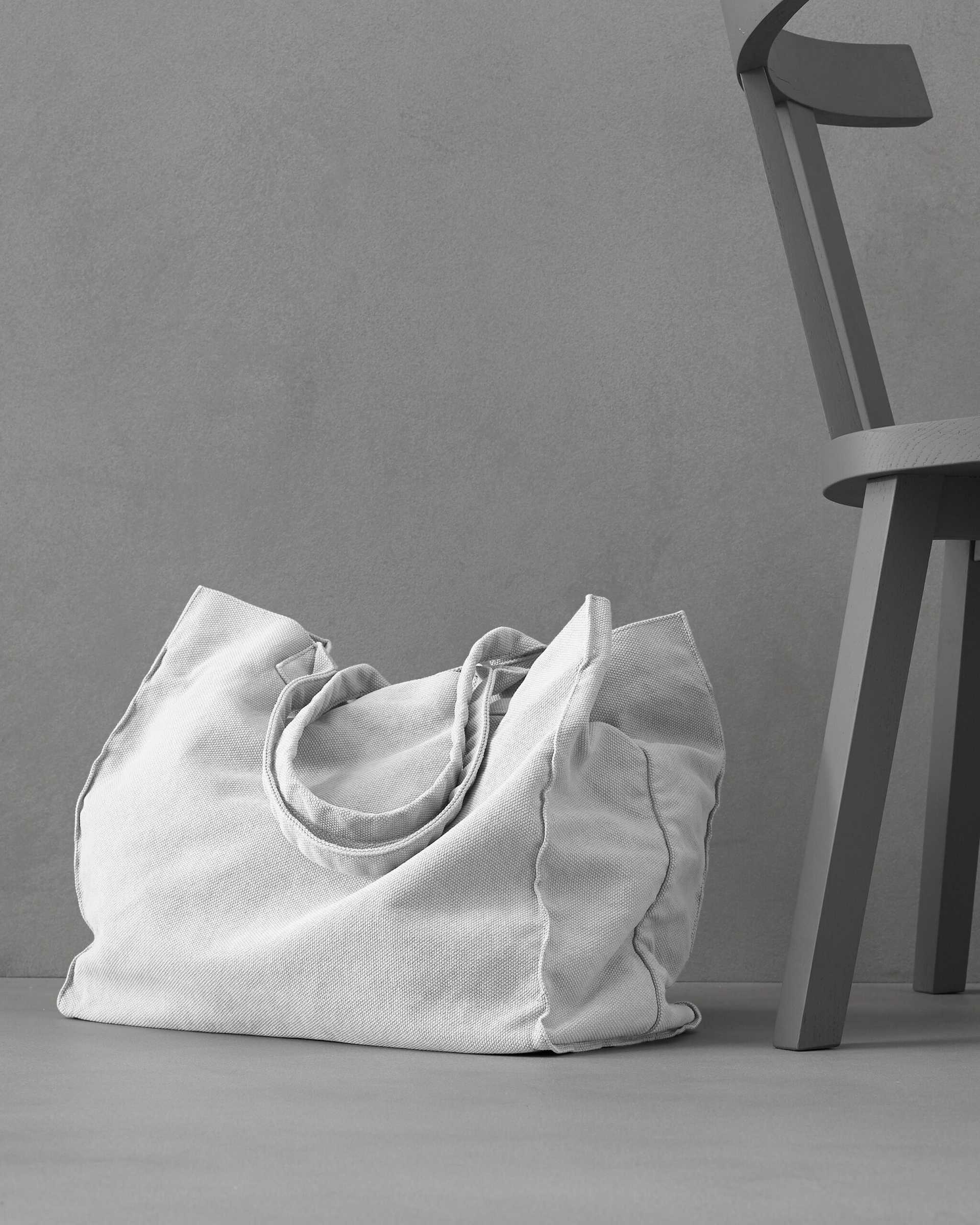
Textiles, bags & everyday care
Libeco Linen Carryalls: What Woven Construction Reveals About Durability
A linen carryall can feel relaxed and effortless while doing serious daily work. To understand how it may hold up, look beyond the name on the label: weave, fabric weight, seams, handles and finishing all contribute to a bag’s real-world performance.
Published October 23, 2026
There is a particular appeal to a well-used linen bag. It softens with handling, gathers the quiet signs of routine and looks at home almost anywhere—from a market run to a weekend away. But that easygoing appearance can hide a lot of thoughtful construction. The useful question is not simply whether linen is durable. It is how the linen is woven, how the bag is assembled and what kind of work its design is expected to do.
That is a helpful way to assess Libeco linen carryalls, or any linen carryall: treat the textile and the make as a team. Fiber names and brand names can offer clues, but neither tells the whole story on its own. Fabric weight, weave density, finishing and stress points all influence how a bag feels and responds to repeated carrying. Care matters, too. A bag may be built for everyday use, but it still benefits from being treated according to its maker’s instructions.
This guide explains what those details mean in everyday language. It is not a claim about the exact weight, weave or construction of every Libeco model; those specifications can vary between designs and should be checked on the specific product label or official description. Instead, think of it as a practical reading guide: what to inspect, what questions to ask and how to care for linen so its natural character can remain part of its appeal.
First, what does “linen” tell you?
Linen is made from flax fibers. In a finished bag, those fibers have been spun into yarn and woven into cloth, then cut and sewn into a particular shape. The word identifies a fiber, not one fixed fabric. Two bags can both be described as linen and still differ substantially in thickness, texture, density and flexibility.
That variation is why a quick glance at the fiber label is only a starting point. A light, open-feeling linen may suit a foldable bag or a carryall intended for lighter loads. A heavier or more tightly constructed fabric may feel more substantial in the hand. Neither description automatically promises a longer life. The fabric has to work in concert with the handles, stitching, seams and intended use.
Linen’s visible texture is part of its character. Small irregularities in yarn and surface can be natural features rather than defects, and the cloth may relax or crease with use. For many people, that lived-in quality is precisely the charm. For assessing durability, however, it helps to distinguish ordinary changes in appearance from signs that a textile is under strain, such as a seam beginning to open or a small tear growing near a handle attachment.
The weave: a close-up clue to everyday performance
A woven fabric is made by interlacing yarns in two directions. The lengthwise yarns are called the warp; the crosswise yarns are the weft. Their arrangement, spacing and yarn characteristics shape the cloth’s surface and behavior. You do not need a specialist’s vocabulary to make a useful observation. Look at the fabric in good light, feel whether it is open or compact, and notice whether it has a loose drape or a firmer hand.
A more compact weave may feel stable and resist immediate distortion under ordinary handling, while a more open construction can feel airy and flexible. But weave density alone is not a durability score. Yarn strength, fabric weight, the direction of stress and the way the bag is sewn all matter. A sturdy-looking panel can still be let down by a weak seam; a lighter cloth can perform well when the bag is properly designed for modest loads.
Look especially at places where the fabric changes direction or bears weight. The top edge, corners, base and handle joins are practical inspection points. Does the weave look consistent? Are there obvious gaps, snags or pulled yarns? Do the seams sit smoothly, without puckering that might suggest uneven tension? These observations cannot guarantee how a bag will age, but they help you read construction rather than relying on a broad material label alone.
Fabric weight: substantial is not the same as indestructible
Weight is often used as shorthand for sturdiness, and it can be useful—provided the number is available and understood in context. Fabric weight describes how much a given area of cloth weighs. Different manufacturers may present it in different units, so compare like with like. If a product description does not provide a figure, avoid guessing from photographs or assuming that a particular brand always uses the same weight across all its bags.
Heavier fabric can feel reassuring and may hold a shape more readily. It can also make a bag less flexible, heavier to carry before anything is packed and more cumbersome to wash or dry. A lightweight cloth may be easier to fold and store, but it may be less suited to heavy or sharp-edged contents. The right weight is the one that matches the carryall’s job—not simply the largest number available.
For a considered purchase, ask what you expect to carry most often. A few soft layers, a book and small everyday essentials put different demands on a bag than groceries, a laptop or damp sports gear. Weight should be read alongside dimensions, handle length, lining, pocket design and any stated use guidance. A useful carryall is not a test of how much can be squeezed into it; it is a textile object whose limits deserve respect.
Finishing and color: the details that shape the surface
Finishing refers to treatments or processes applied to fabric to influence its look, feel or handling. A linen surface may feel crisp, soft, washed, smooth or textured depending on its construction and finish. Some bags are dyed, while others retain a more natural-looking shade. Those choices affect appearance and may influence how the cloth feels, but they do not, by themselves, establish how long the bag will last.
Color can change with use, washing and exposure to strong sunlight. That is not a reason to avoid a particular shade; it is a reason to learn what the maker recommends. Before cleaning, check whether the care instructions call for machine washing, hand washing, spot cleaning or professional care. Do not assume that every linen bag is washable in the same way, especially if it has a lining, leather components, stiffeners or other materials combined with the linen.
Finishing can also alter how a fabric responds to handling and moisture, so resist the temptation to apply a household treatment just because it promises to repel stains or water. An untested spray may change the color, feel or appearance of the cloth. When in doubt, follow the manufacturer’s directions, test any approved method on an inconspicuous area if appropriate, and keep care as simple as the instructions allow.
Construction carries a lot of the load
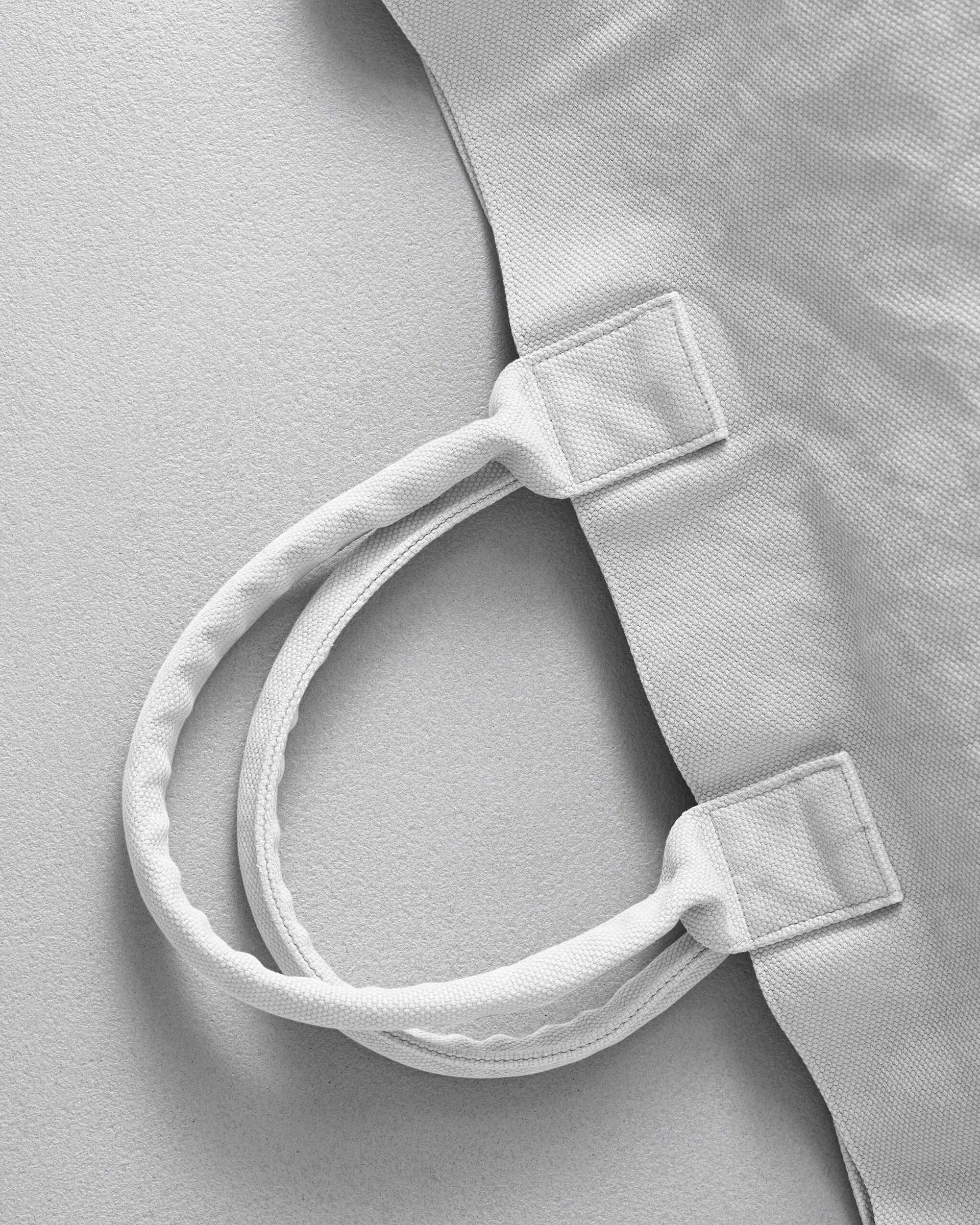
In a carryall, the handles are more than a design feature. Their attachment points transfer weight from the contents to the body of the bag, making those joins natural areas to inspect. Notice whether the handle ends are securely sewn and whether the stitching is regular. Reinforcement can take different forms, and its presence should be judged from the actual item rather than assumed from a brand name or style description.
Next, consider the seams. A clean, consistent seam can help keep panels joined during normal use; loose threads, skipped stitches or an opening seam deserve attention. Check the base and lower corners as well. These spots may rub against surfaces or take pressure when a bag is set down. A reinforced base, lining or extra layers may add structure, but they can also affect flexibility and care requirements.
Interior features matter in ways that are easy to overlook. A lining can help organize the interior or give the bag a different feel, while pockets can keep small items from shifting around. Yet every additional component brings its own seams and materials to consider. Read the product description carefully: “linen carryall” may describe the main textile, not necessarily every part of the bag.
A realistic picture of wear
Textile durability is not a single dramatic moment when a bag either passes or fails. It is a series of small interactions: being lifted by one handle, resting on a rough surface, rubbing against clothing, carrying something with a sharp corner or sitting damp in a closed space. A bag’s condition over time reflects its construction and how it is used.
Creasing, a softer feel and modest changes in drape can be ordinary signs of a fabric adapting to life. Fraying, a spreading hole, broken stitches or a handle join that is pulling away are more practical warnings. If you spot a small issue early, stop carrying heavy loads in the bag and consider appropriate repair before the damage grows. For a valued piece, ask a qualified textile repair professional about suitable options rather than attempting a repair that could make the stress point worse.
Regularly emptying the carryall helps, too. Loose debris can rub against the interior, while a forgotten heavy item places ongoing pressure on seams and handles. Rotating between bags is a simple way to reduce constant wear on a single favorite. It also gives linen a chance to air out between uses.
Care that preserves texture and shape
The safest care advice is also the least glamorous: read the label. Linen is a natural fiber, but that does not mean every linen bag can go straight into a washing machine. A product’s construction, dye, lining and hardware may call for specific handling. If the care information is missing, contact the maker or seller for guidance before immersing the whole bag.
For routine upkeep, start gently. Empty the bag and shake out crumbs or dust. If the instructions permit, use a soft brush or a clean cloth to address surface debris. For a spill, avoid vigorous rubbing, which may spread the mark or roughen the fibers. Blot carefully and follow the care directions for that particular fabric. Skip bleach and strong cleaning products unless the maker specifically says they are suitable.
When washing is permitted, use the recommended temperature and cycle, and take care not to overload the machine. Shape the bag while it is damp if the instructions allow, then dry it as directed. High heat may affect some fabrics or components, so do not assume a tumble dryer is appropriate. Store the carryall clean and completely dry, away from prolonged direct sunlight and from places where moisture can accumulate.
How to assess a Libeco linen carryall thoughtfully
When evaluating a specific Libeco carryall, start with the information attached to that exact model. Product lines can change, and materials or details may differ between styles. A measured, model-specific description is more useful than a general claim about linen or an assumption based on another bag from the same maker.
- Confirm the fiber content. Check whether the bag is entirely linen or combines linen with other fibers or components.
- Look for weight and weave details. If they are not stated, treat them as unknown rather than filling in the gaps by guesswork.
- Inspect the stress points. Pay attention to handle joins, top edges, side seams, corners and the base.
- Match the bag to your routine. Consider typical contents, carrying distance, weather exposure and how often you expect to use it.
- Read the care instructions before cleaning. A beautiful textile is easier to keep in good condition when its care needs are clear.
- Check whether repairs are practical. Simple access to a seam or handle attachment can matter if ordinary wear eventually needs attention.
This kind of checklist turns shopping into a closer look at the object itself. Brand reputation may be part of a decision, but a carryall’s actual construction is what meets the weight of your daily routine. If you are comparing two bags, compare their documented materials, dimensions, closures, seam details and care requirements—not just their names or photographs.
A more sustainable kind of everyday accessory
Choosing a bag intended to be used repeatedly can support a more thoughtful approach to consumption, especially when it becomes a dependable part of a routine rather than a short-lived impulse. But sustainability is not a quality that can be established by the word “linen” alone. It also involves how the fiber was sourced and processed, how the bag was made, how long it remains useful and what happens when it needs repair or is no longer wanted.
That is why transparent information matters. Look for clear material descriptions and credible details about production and care, while keeping claims in proportion to the evidence provided. An attractive natural fiber does not automatically make every product environmentally preferable in every context. Extending a bag’s useful life—through sensible use, careful cleaning and repair where feasible—is a practical contribution that does not depend on grand claims.
For a used linen carryall, condition and history become part of the assessment. Look for even wear, check the handle attachments and seams, and ask whether any repairs have been made. A softened surface can reflect use rather than poor quality, but structural damage still deserves a close inspection. Buying second-hand can keep a useful object in circulation; knowing what to examine helps make that choice more informed.
The takeaway: read the cloth, then read the whole bag
Linen’s appeal is tactile and immediate: a distinctive surface, a relaxed drape and a way of settling into everyday life. Its durability, though, is less about a single fiber label than the relationship between yarn, weave, weight, finish and construction. Handles, seams and corners carry real responsibility, and careful use can matter just as much as the fabric’s initial feel.
When considering Libeco linen carryalls, look for specifics about the model in front of you. Ask what the cloth is made from, how it is constructed and how it should be cared for. Then match those details to the way you actually carry a bag. That small pause—before the first errand, trip or market morning—can help a good carryall become a lasting companion rather than simply another thing to own.
This guide offers general textile-care and construction information. For the correct cleaning method or specifications of a particular carryall, consult the product label and the maker’s current guidance.