Why Organic Bedding Matters for Sleep Quality
In the quiet hours of the night, the fabrics that touch our skin become more than mere textiles; they influence comfort, temperature regulation, and skin health. Organic bedding prioritizes purity in fibers, reduced chemical exposure, and thoughtful manufacturing practices. When we choose organic cotton, linen, or other certified fibers, we tend to experience fewer irritants on the skin, better breathability, and a sense of peace that enhances the chances of deep, restorative sleep.
Two brands frequently cited in premium sleep rituals—Coyuchi and Libeco—embody this philosophy. Coyuchi, renowned for its cotton-based organic textiles and linen options, emphasizes GOTS certification and transparent sourcing. Libeco brings Belgian linen into the conversation, highlighting natural temperature regulation, durability, and a tactile coolness that many sleepers associate with a luxurious, lived-in feel. Together, these materials illuminate how fiber choice shapes warmth, moisture management, and long-term comfort.
Materials 101: What Makes Organic Bedding Different
Understanding material differences helps shoppers select bedding that suits their climate, skin sensitivity, and sleep routines. Here are the core fibers you’ll encounter in premium organic bedding and what to know about each:
- Organic cotton: Soft, breathable, and widely available in various weaves. It offers a gentle hand-feel, particularly in percale and sateen finishes. The organic certification ensures fewer chemical residues and stricter farming practices.
- Organic linen: Known for exceptional breathability and moisture-wicking properties. Linen fibers are strong and tend to become softer with each wash. Libeco-backed linen products highlight European flax sourcing and sustainable production.
- Silk and blended fibers: While silk is not always organic by default, many brands explore organic silk or silk-alternative blends to balance luxury with eco-conscious credentials. Silk’s temperature regulation can be a boon for hot sleepers.
- Ways to evaluate weight and weave: The weight of bedding (measured in GSM or thread count for cotton) and weave (percale, sateen, or linen) affect drape, warmth, and wash resilience. For example, a Coyuchi percale sheet set with a crisp surface can feel cooler in warm climates, while a linen sheet set tends to stay cooler in summer and become more breathable over time.
When evaluating bedding, consider certifications (GOTS, OEKO-TEX, and other recognized standards), supply chain transparency, and fiber origin. A well-documented supply chain reassures customers about both environmental impact and product safety.
Care Principles: Washing, Drying, and Storage
Care rituals for organic bedding should protect fibers, maintain weave integrity, and extend colorfastness. Below are practical steps that can help you preserve the look and feel of Coyuchi and Libeco bedding for years to come.
- Washing: Use a mild, phosphate-free detergent that is fragrance-free to minimize skin irritants. Select a gentle cycle with cold to warm water, depending on the fiber. Organic cotton benefits from a gentle cycle, while linen can handle warm washings but may benefit from gentle agitation to protect the fibers.
- Drying: Tumble dry on low heat or line-dry when possible. Linen often dries quickly and benefits from a bit of air exposure to reduce wrinkling; cotton can tolerate tumble drying if you remove promptly to minimize creases.
- Maintenance: Avoid harsh bleach or fabric softeners, which can degrade fiber integrity and reduce absorbency. For silk blends, follow manufacturer guidance on care to maintain sheen and softness.
- Storage: Ensure bedding is completely dry before storing to prevent mildew. Use breathable cotton storage bags or cotton pillowcases to maintain airflow and prevent condensation.
Each brand may offer specific care recommendations. Coyuchi often emphasizes minimal chemical interference in washing and line-drying to preserve the fiber integrity. Libeco linen gear might advise gentle handling to maintain the linen’s natural texture and durability. Always refer to the product care label for precise instructions.
Longevity: How to Make Bedding Last Across Seasons
Organic bedding represents a long-term investment in health and comfort. Here are strategies to maximize longevity without sacrificing performance:
- Rotate your bedding seasonally to distribute wear and exposure to washing cycles.
- Address pilling or roughness early by following gentle washing routines and treating high-wear areas with care.
- Invest in a higher thread-count or denser weave for sheets that see heavy nightly use, or opt for linen for a looser weave that becomes softer with time.
- Protect colored linens from sun exposure when drying to prevent color fading; consider indoor drying when UV exposure is intense for extended periods.
Organic bedding should not only support restful sleep but also adapt to changing body temperatures and seasons. Linen’s porous structure and cotton’s moisture management offer versatile benefits across climates, while a well-maintained duvet cover and sheets can reduce the need for frequent replacements, contributing to a more sustainable home.
Glossary: Beginner-Friendly Terms Without Jargon
To help readers navigate the world of organic bedding without being overwhelmed by textile terminology, here is a concise glossary of essential terms:
- GOTS: Global Organic Textile Standard, a leading certification for organic fiber processing, including environmental and social criteria.
- OEKO-TEX: A certification indicating textiles meet safety standards for human-ecological health, including chemical restrictions.
- Percale: A crisp, closely woven fabric with a matte finish, typically cooler to the touch, common in cotton sheets.
- Sateen: A smooth, silky weave with a soft hand and gentle drape, often warmer than percale but very comfortable.
- Linen: A breathable, durable fiber known for temperature regulation and a relaxed texture that improves with washes.
- Blends: Fabrics that combine multiple fibers to balance feel, durability, and care requirements.
Spotlight on Thoughtful Brands: Coyuchi and Libeco
Two brands frequently highlighted in discussions about organic bedding for their commitment to sustainability, transparency, and tactile luxury are Coyuchi and Libeco. Coyuchi leans into a modern, approachable aesthetic with a strong emphasis on ethical sourcing and care guidance that makes it easier for consumers to extend the life of their bedding. Libeco brings a heritage perspective, with linen textiles rooted in European flax cultivation and a reputation for durability and breathability that make linen a perennial favorite for hot sleepers or those seeking a cooler night’s rest.
When shopping, readers should evaluate fiber type, weave, and care recommendations in tandem. A Coyuchi duvet cover may offer a crisp cotton feel, while Libeco linen sheets could deliver a cooler, more relaxed texture that softens over time. The combination of these brands in a single bedroom can create a balanced sleep environment that supports health, comfort, and longevity.
Three Key Figures Shaping Bedding History and Care
In the spirit of editorial storytelling, we spotlight three influential individuals from different eras who have shaped the way we think about textiles, comfort, and sustainable living.
-
1) Martha Ann Smith (Early 1900s): The Pioneer of Household Textiles Ethics
Martha Ann Smith championed clean, chemical-free household textiles at a time when industrial processes often overlooked consumer safety. Her advocacy for safer dyes and responsible manufacturing practices laid groundwork that later evolved into modern organic textile standards. Her writings and campaigns encouraged households to demand transparency from suppliers, a thread that continues in today’s organic bedding landscape.
-
2) Lucia Conti (Mid-20th Century): The Linen Renaissance Advocate
As linen enjoyed renewed popularity in postwar households, Lucia Conti fought to elevate linen from utilitarian to luxurious. Her design philosophy emphasized breathability, natural fibers, and the beauty of fibers aging gracefully. Conti’s influence contributed to the enduring reputation of linen as a staple in sustainable bedding, a philosophy that Libeco embodies through its European flax heritage.
-
3) Dr. Elena Park (Contemporary Era): The Science of Sleep and Textile Integrity
Dr. Elena Park’s research into sleep science bridged textile engineering with wellbeing. Her work on temperature regulation, moisture management, and allergen exposure informed modern guidelines for bedding materials. Park’s insights underpin how brands design fabrics that support healthy sleep cycles, a concept reflected in the care and longevity conversations surrounding Coyuchi and similar brands today.
Practical Guide: Care Rituals for Your Bedding Toolkit
To translate theory into daily practice, here is a practical, plain-language routine that works for most organic bedding setups:
- Weekly refresh: Rotate pillowcases and top sheets to distribute wear evenly and keep sleep spaces feeling fresh.
- Seasonal refresh: For linen, consider a lighter weight during warm months and a heavier alternative during colder periods to optimize warmth and breathability.
- Stain management: Treat spills promptly with a gentle, eco-friendly stain remover or a mild detergent, then wash according to fabric guidelines to prevent permanent staining.
- Color care: For colored cottons or linens, wash with similar colors to avoid dye transfer and maintain vibrancy.
Product Spotlight: The Drai Bag as a Complementary Lifestyle Accessory
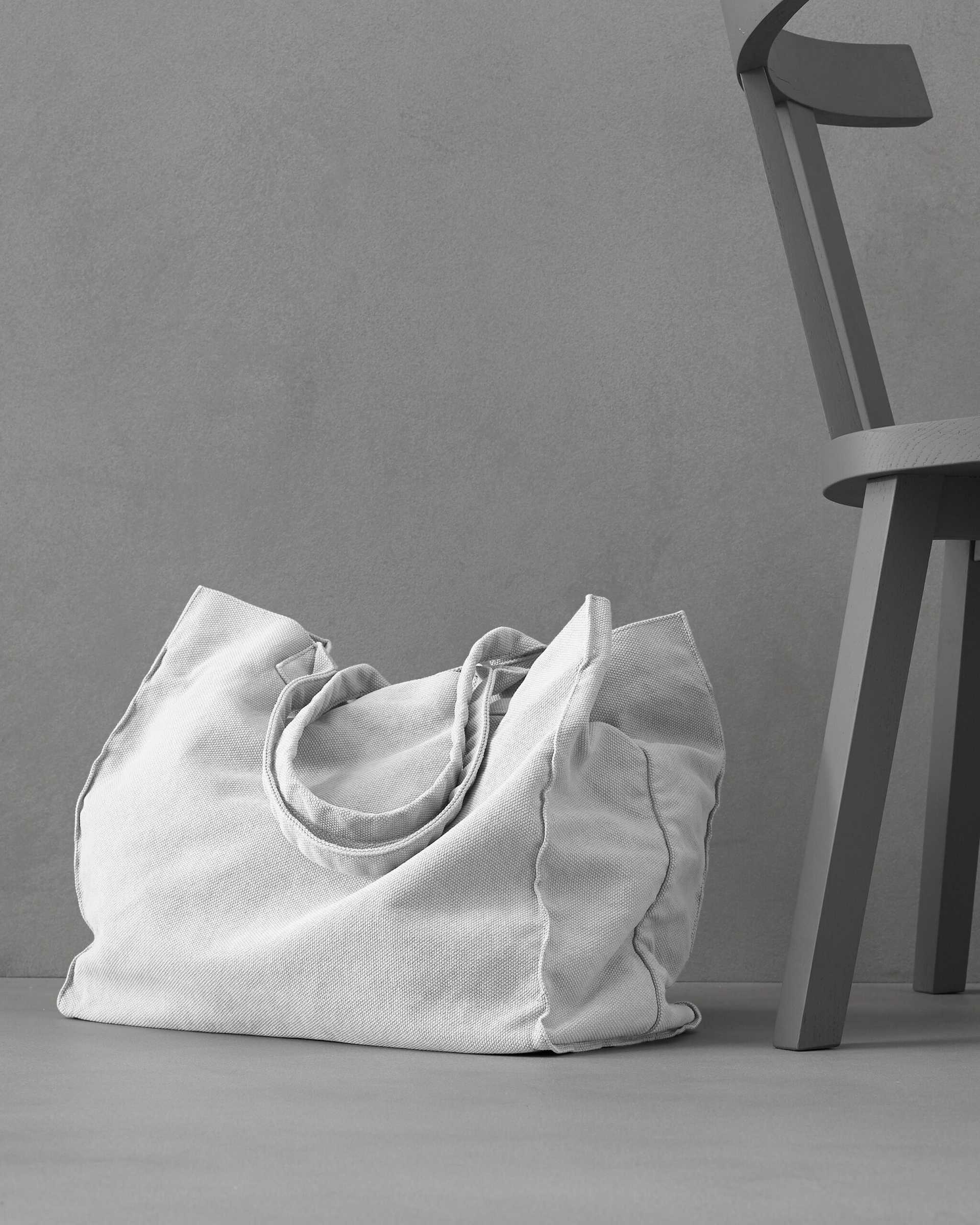
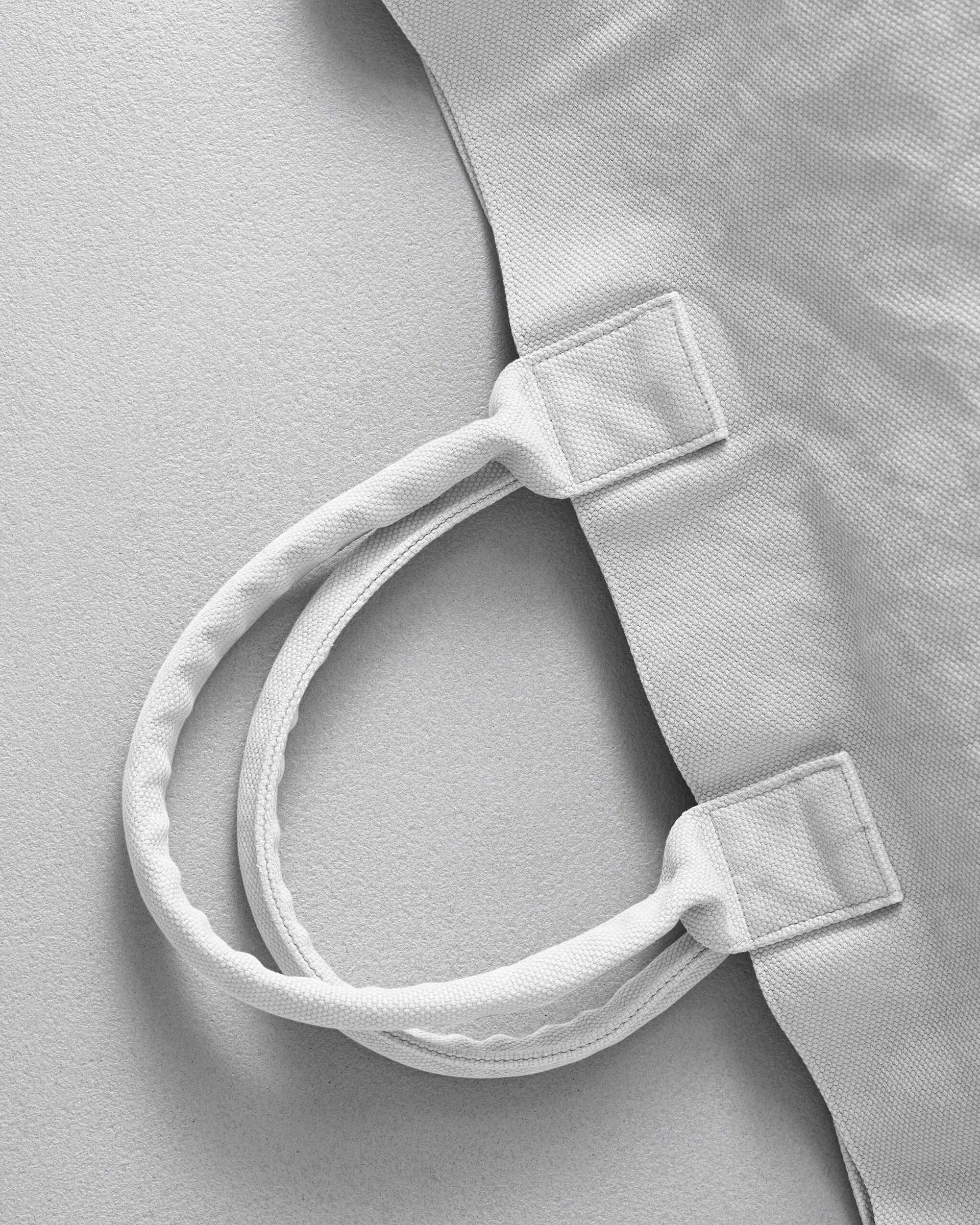
While the focus here is bedding, a curated lifestyle frame often includes complementary accessories to organize and transport textiles responsibly. The Drai Bag, a garment-dyed cotton canvas tote, exemplifies durable, everyday practicality that aligns with a mindful, sustainable approach to daily living. Its large, zipless, easy-to-clean design makes it suitable for beach trips, gym days, or weekend trips—an ideal companion for packing organic bedding when traveling between homes or seasons. The bag’s heavy-duty construction and garment-dyed finish reflect a thoughtful blend of utility and aesthetics that echo the durability and care-conscious mindset championed by Coyuchi and Libeco enthusiasts alike.
Product highlight: Drai Bag - a large, durable cotton canvas tote with machine-washable practicality and garment-dyed color. Price: 275.00. Useful for transporting bedding components, clothes, or personal items with a durable, minimal look that pairs well with a sustainable lifestyle.
A Gallery of Approaches: Imagining Your Bedroom Narrative
To help readers visualize how organic bedding can shape a room’s feel, imagine three distinct styling narratives, each grounded in sustainability and comfort.
- Coastal Calm: Soft cotton sheets in a sea-salt palette with a linen duvet cover, airy textures, and breathable layers that stay cool in summer and comfortable in shoulder seasons.
- Minimalist Modern: Clean lines, crisp percale sheets, and a muted color palette. Think Coyuchi-inspired simplicity with a linen accent for texture and depth.
- Heritage Warmth: A blend of linen and cotton with natural, earthy tones. This vibe leverages the aging character of linen and the comfort of organic cotton to create a timeless sanctuary.
Note: This article emphasizes non-commercial, informational content about organic bedding and sustainable textiles. It references Coyuchi and Libeco as exemplary brands guiding consumer choices toward healthier sleep and responsible production.
References and Further Reading
For readers seeking deeper dives, consider museum catalogs and textile literature that explore the evolution of organic fibers, sustainable farming practices, and the science behind sleep and textiles. Look for sources from textile historians, textile science journals, and brand sustainability reports to expand your understanding beyond this guide.